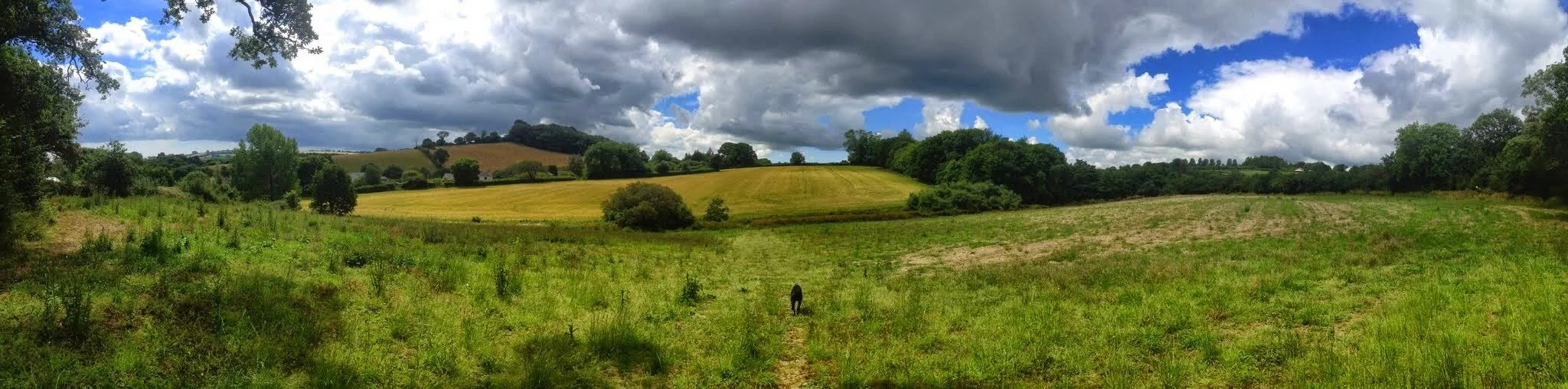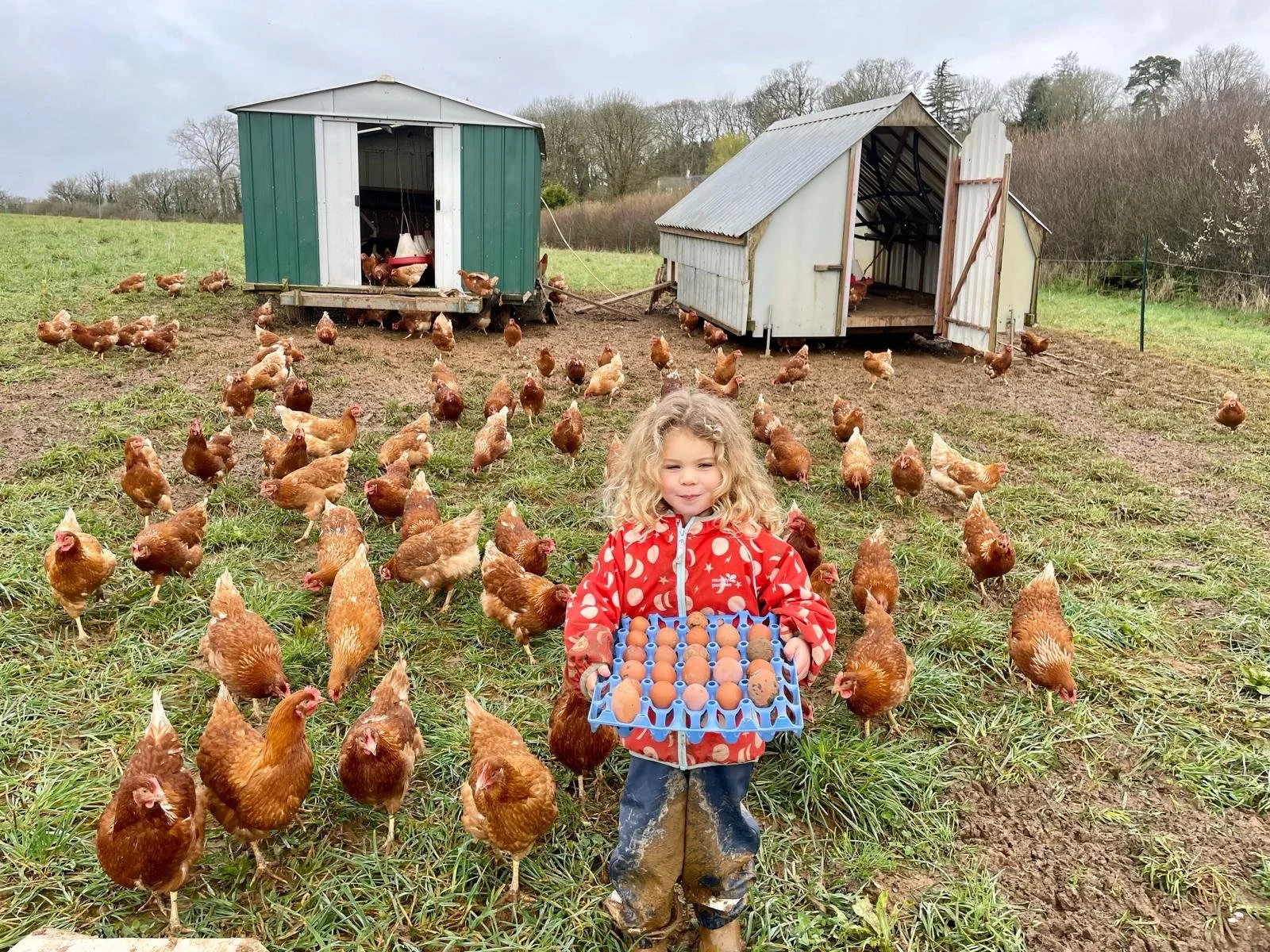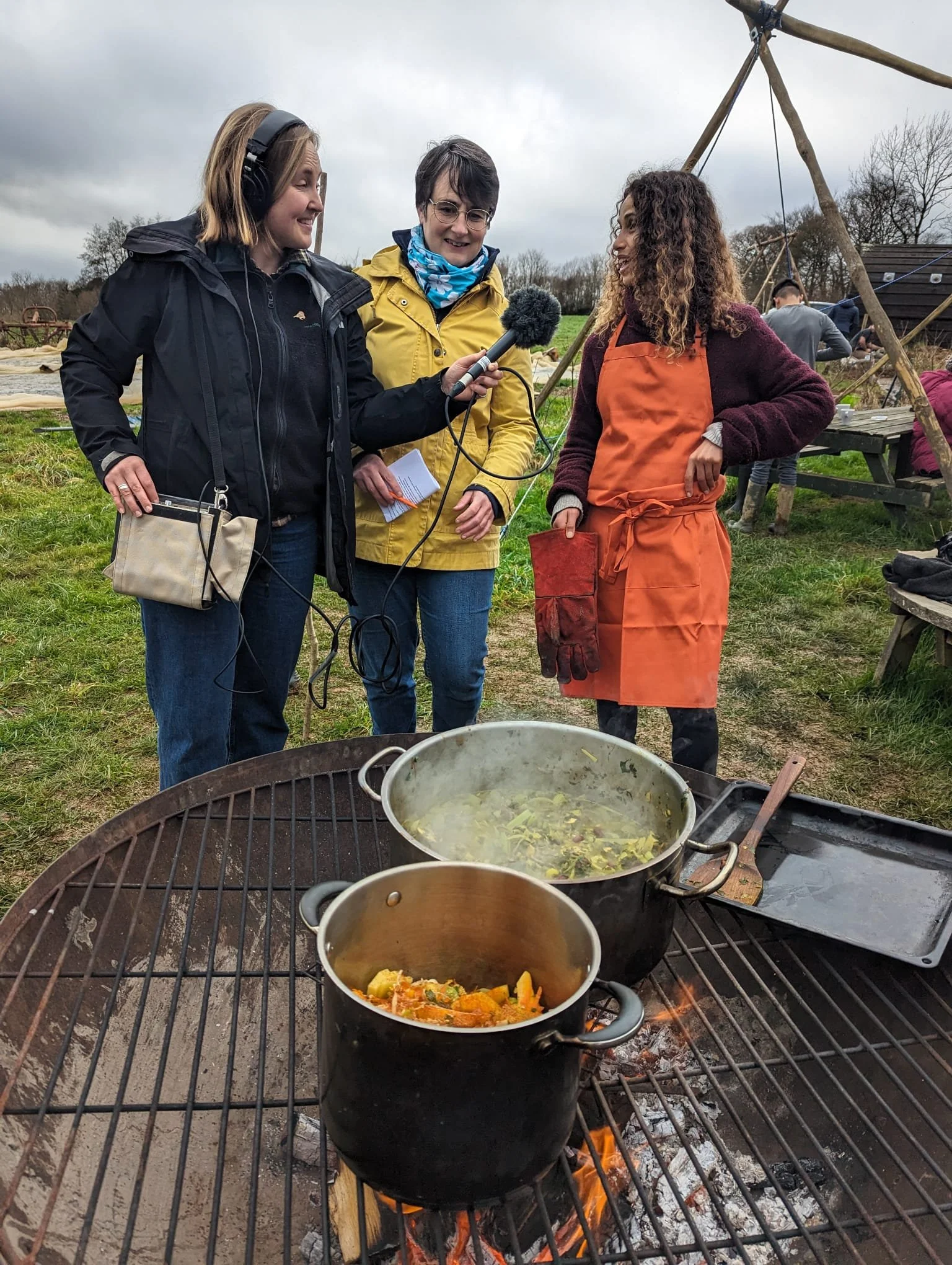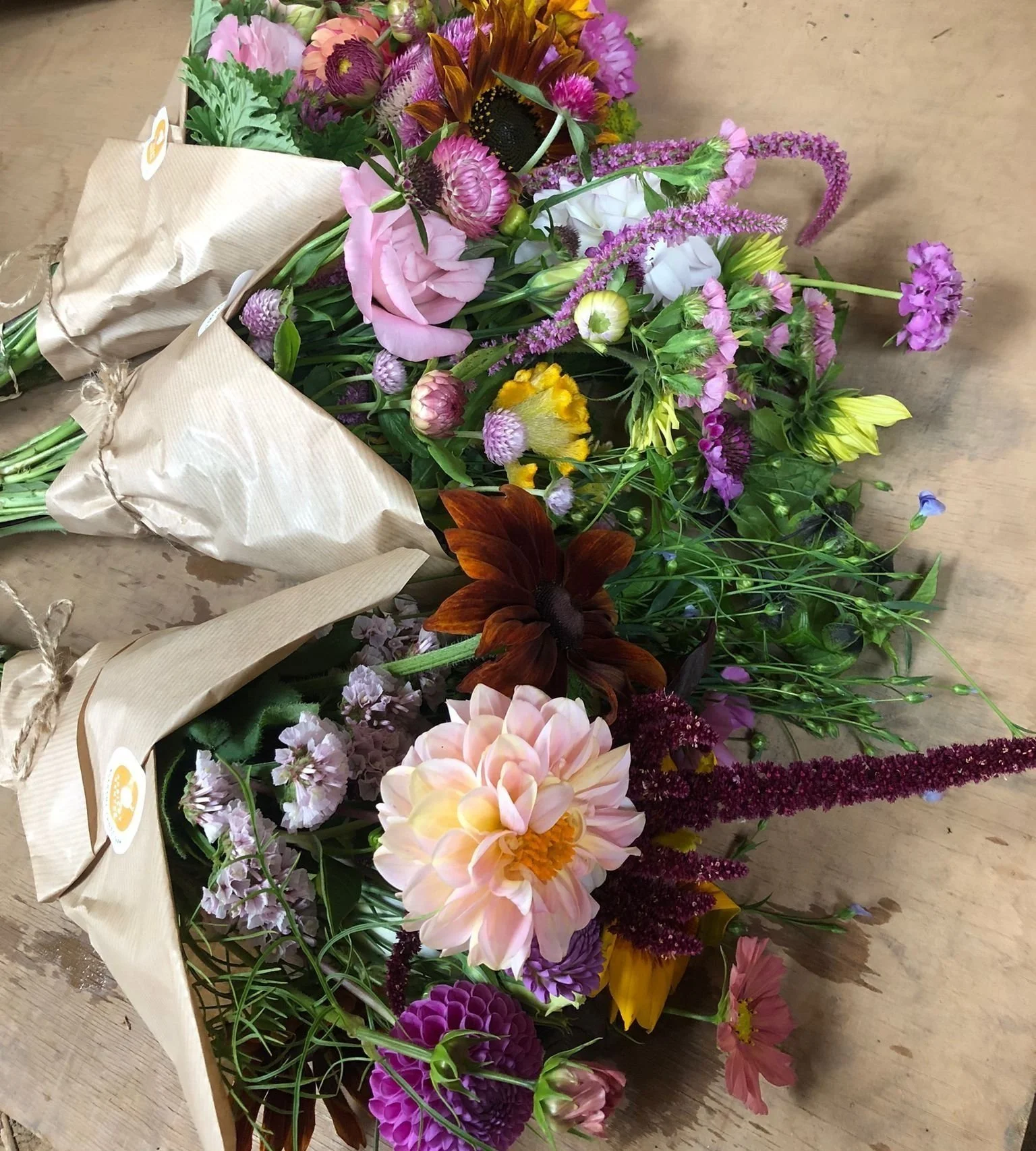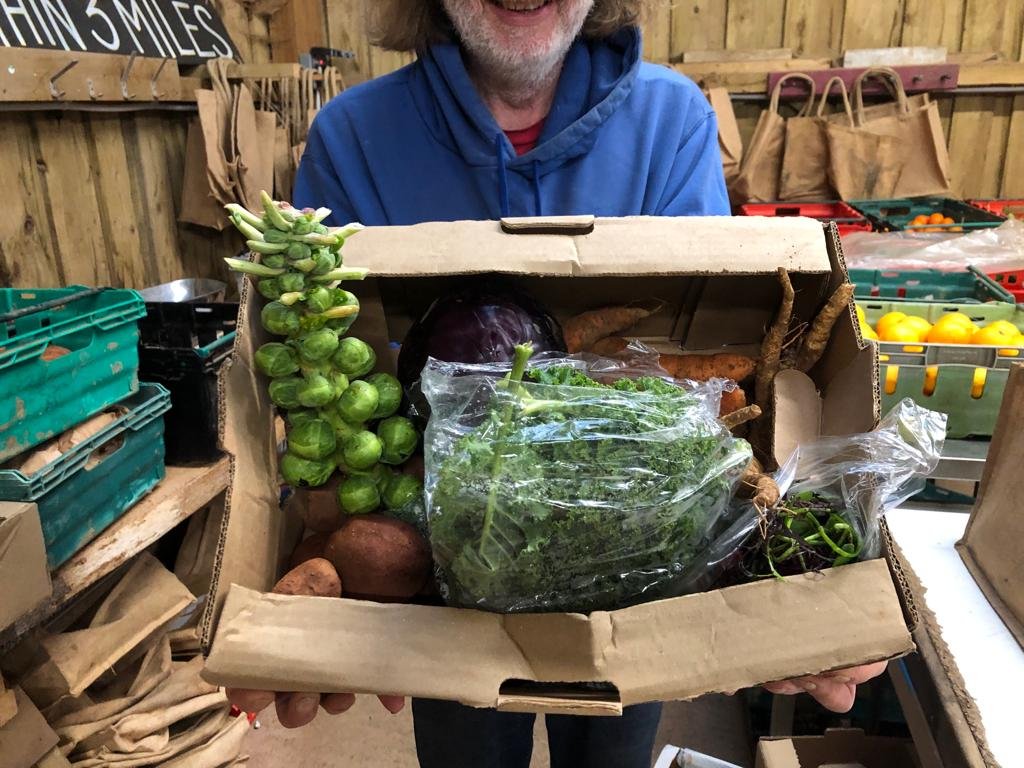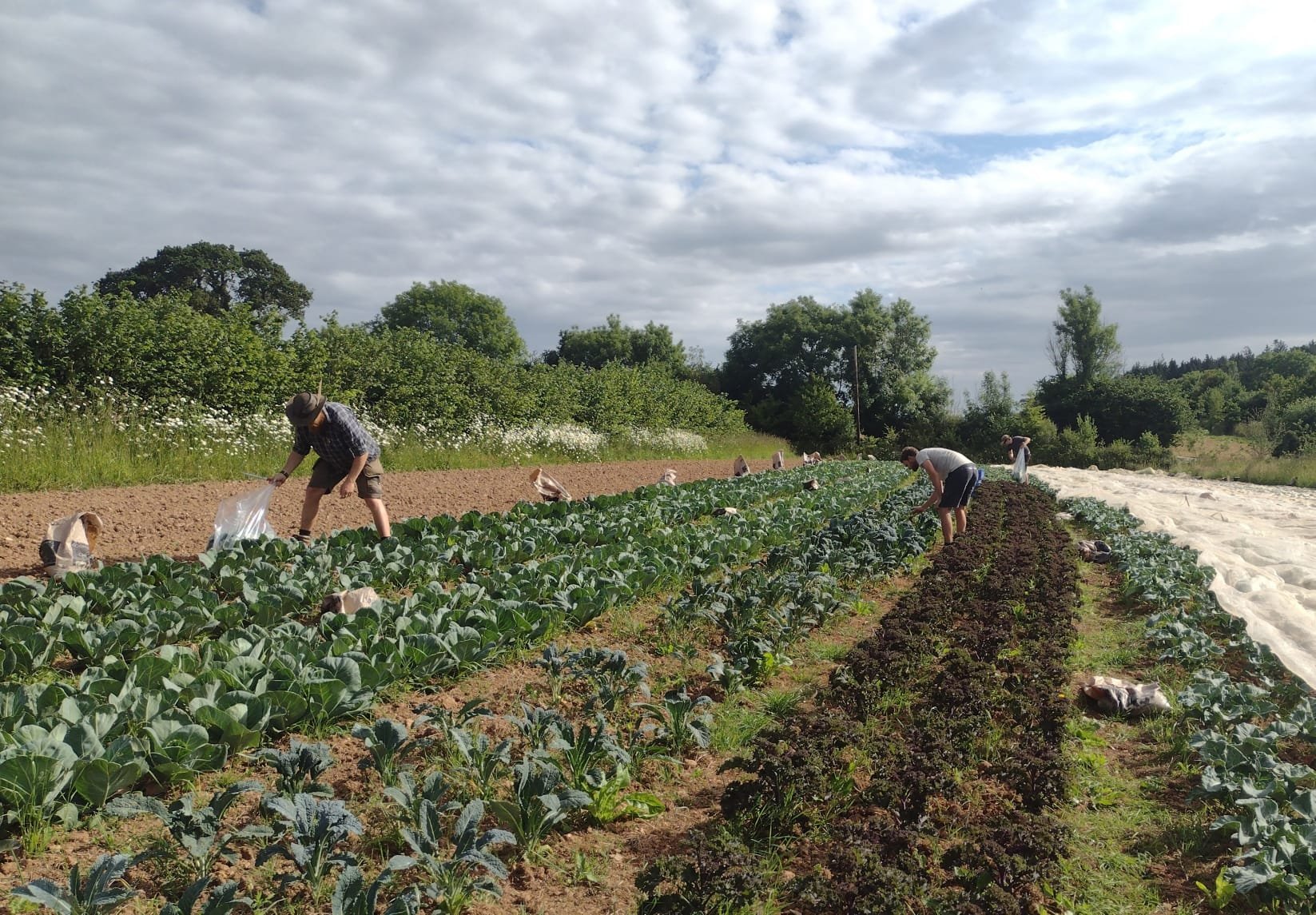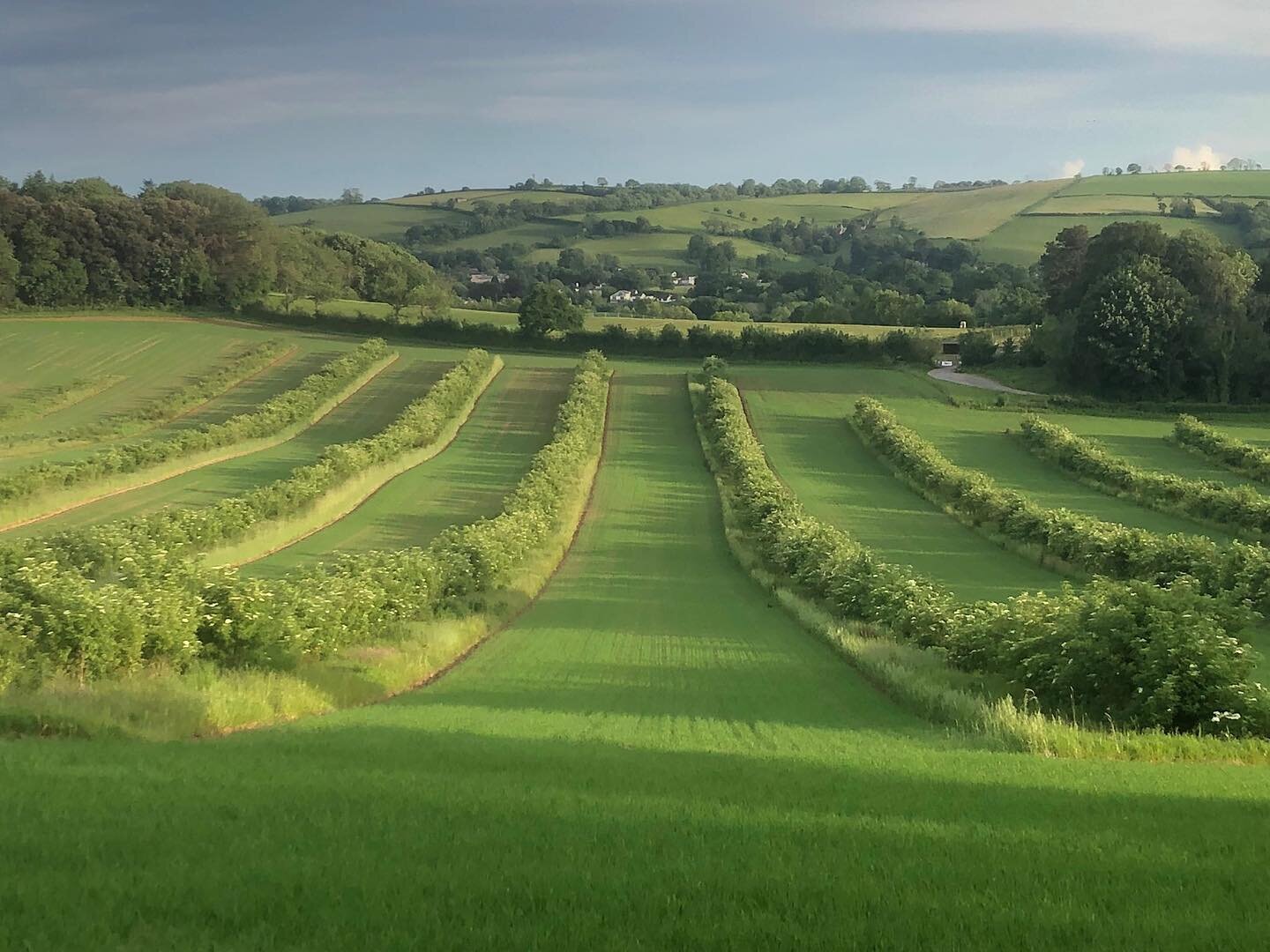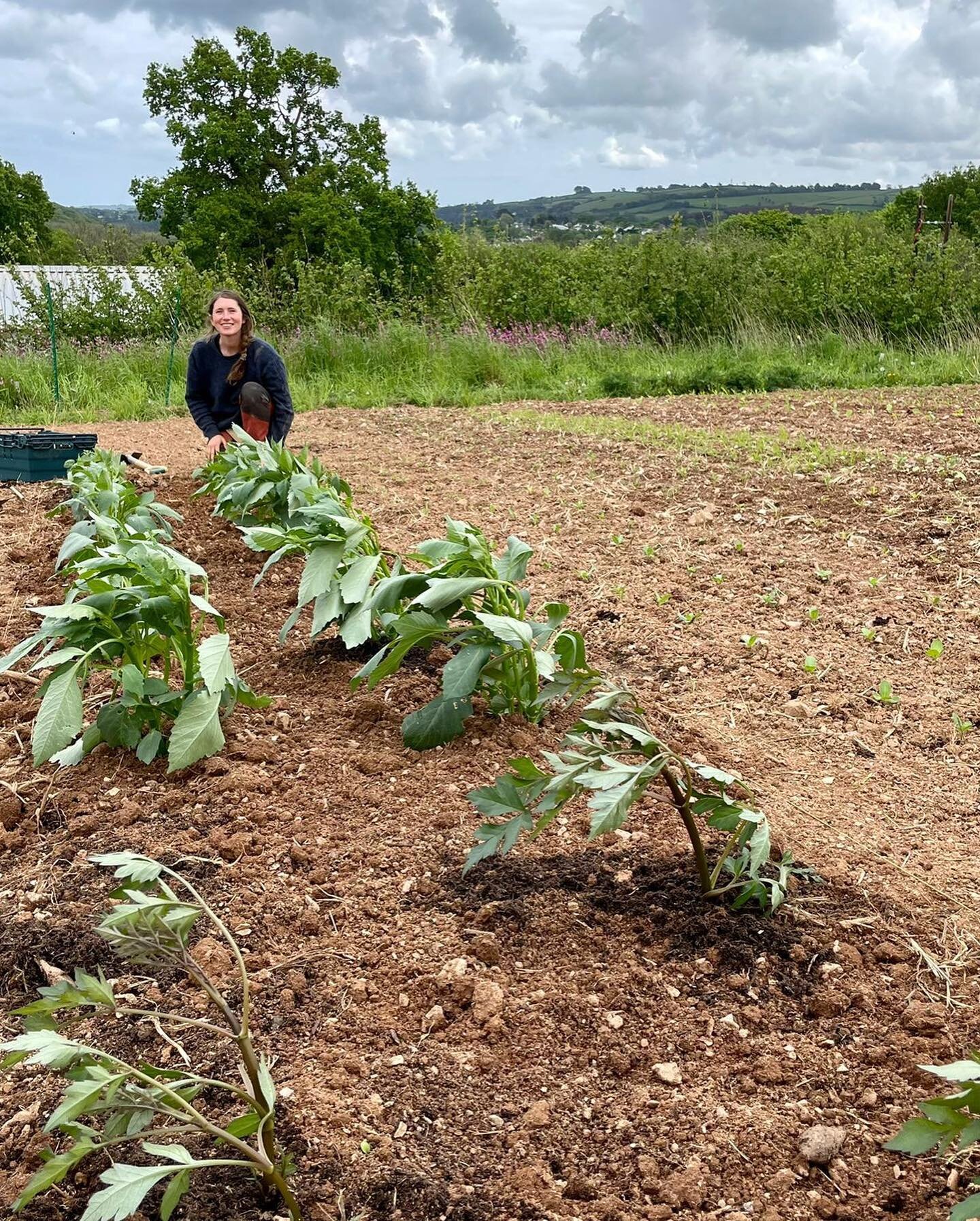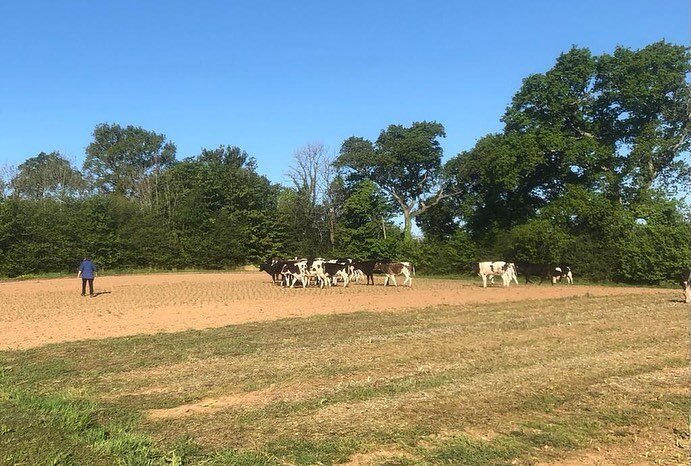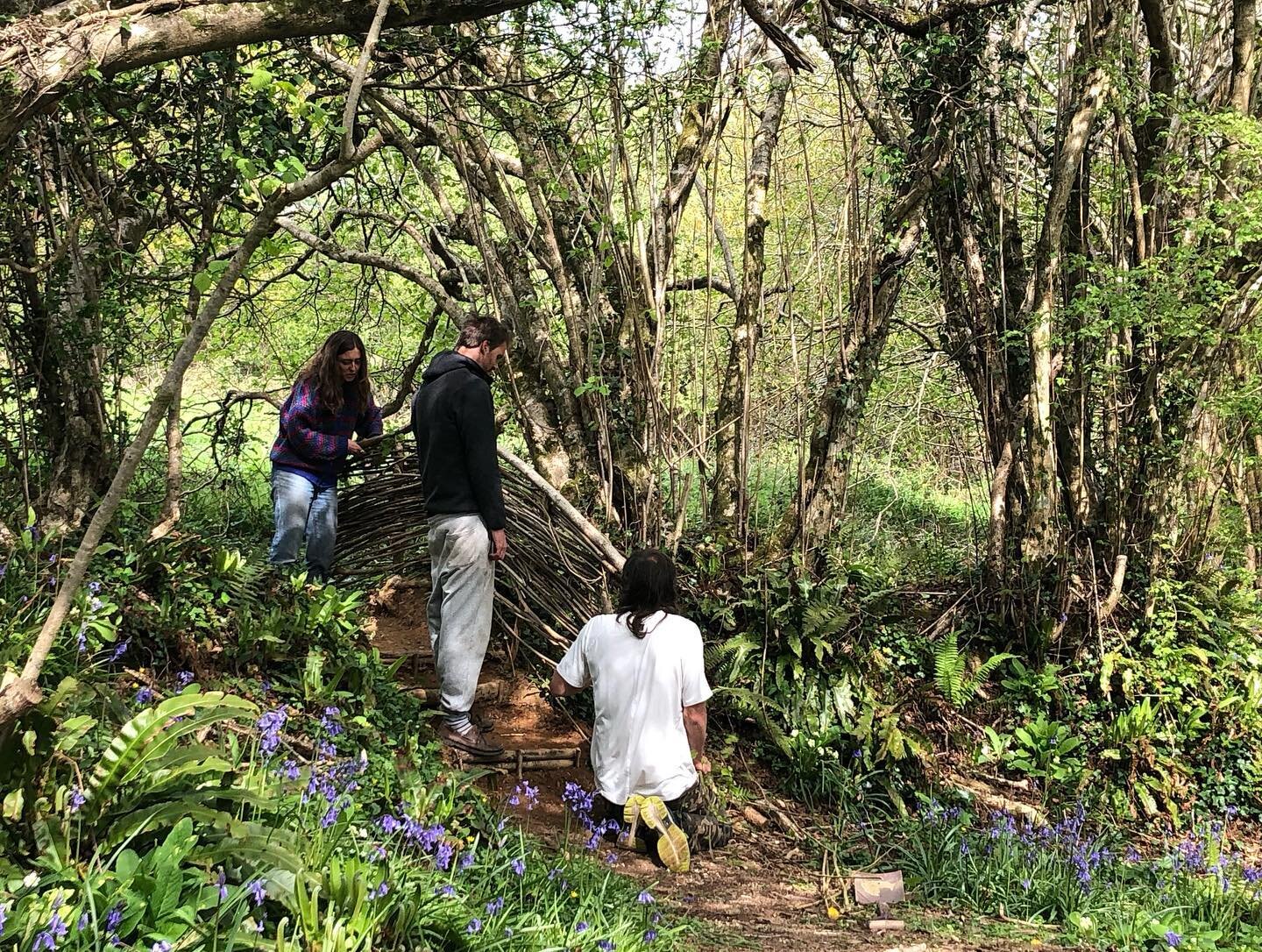
Welcome to the Apricot Centre Website. The Apricot Centre is a living demonstration of the principles it actively promote. We are a small Social Enterprise (Community Interest Company) run from an eco-venue situated on a 4-acre organic market garden 2.5 miles from Manningtree railway station on the Essex/Suffolk border in East Anglia. The aim of the centre is to give courses and develop and deliver projects on the theme of ‘sustainable living’ for the local community, schools and for professionals in the fields of education, therapy, creativity, and agriculture/horticulture. We are currently working with other organic farmers and food producers towards developing a local food hub to make a wide range of locally produced food available in and around the Dedham Vale. We are also working steadily on a wide range of wellbeing projects for young and old in local communities, as we increasingly understand the links between sustainability, transition, and green care. We are very active with the local Transition Stour Valley with whom we have run several local projects, including reskilling the valley, the Dedham Vale Food project (now Dedham Vale Food Hub), and Our focus is sustainable living – People, Food, Energy & the Land. We offer courses on the farm, and work in schools on similar themes. Our courses are continually updated on our ‘events’ page.
We are:
- part of the Permaculture Demonstration Network known as the ‘Land Project’.
- an Organic Farm School listed with the Soil Association.
- part of the Transition (Stour) Valley Network.
The Dedham Vale Food Hub is currently researching food buying interests in and around the Dedham Vale. If you are living nearby we would be very greatful if you would click to fill survey
The Full Permaculture Design Course Autumn 2013 to Summer 2014 at the Apricot Centre
The Apricot Centre (and Permaculture Fruit Farm) has a reputation for running Permaculture Design Courses over many years. The courses are hands-on and theoretical. Many of the previous years cohorts continue to network and remain connected with their peer group and peer groups from the other years. (You can view and download the full PDF below)
Permaculture is a practical design system for sustainable living that offers an ethical, creative and inspiring response to the global challenges of climate change and peak oil. It stresses working with nature and helps you identify steps for positive change for yourself, your family and your community.
The 12 day course is run on Saturdays and Sundays through the winter to summer 2013
26th & 27th Oct 2013 – 16th November 2013 – 7th December 2013 – 11th January 2014 – 8th 9th February 2014 – 8th March 2014 – 5th April 2014 – 10th May 2014 – 7th & 8th June 2014
The course will cover
- Permaculture principles and ethics
- Renewable energy and sustainable building
- Simple vegetable growing and fruit growing
- Forest gardening
- Simple livestock management
- Woodland and timber
- Transition movement
- Design skills
- Visits to inspirational sites
All delivered with creative and practical teaching methods.
Cost: £600 (concessions and stepped payments may be available on application) A place is booked on receipt of a £50 deposit.
Please do email us if you have any questions or wish to book your place info@apricotcentre.co.uk. You can download the single page PDFs below.
The Full Permaculture Design Course – Autumn 2012 to Summer 2013
Sustainable Horticulture Courses in 2013 at the Apricot Centre
Please find full details on the attached pdf file. You can either take the courses indvidually or block book with reduction. All courses taking place at the Apricot Centre on the organic farm.
Process Oriented Child and Family Therapy for working with young people and parents where extreme states and mental health difficulties disrupt family relationships with Gary Reiss PhD PW Dipl
Starting October the Full Permaculture Design course w/ Biodynamic Systems (optional) at the Apricot Centre
(Full PDF download below)
Permaculture is a practical design system for sustainable living that offers an ethical, creative and inspiring response to the global challenges of climate change and peak oil. It stresses working with nature and helps you identify steps for positive change for yourself, your family and your community. This year we have added a further strand of 6 days of accessible practical training in biodynamic food production as an optional extra. This can also be attended as a stand alone course. You can attend the PDC course of 12 days, the Biodynamic course of 6 days or the full 18 days.
Cost; The PDC costs £600, the Biodynamic course £300, and if you attend both the cost is £800. (concessions and stepped payments may be available on application) A place is booked on receipt of a £50 deposit.
The Course will cover;
- Permaculture principles and ethics
- Renewable energy and sustainable building
- Vegetable growing
- Forest gardening
- Livestock management
- Transition movement
- Design skills
The Biodynamic strand will include;
- Biodynamic principles and philosophy
- The Planting calendar
- Using the preparations
- Practical skills in gardening, livestock and composting
The 6/12/18 day course is run on Saturdays and Sundays through the winter to summer 2013
27th & 28th Oct 2012 (PDC)
17th November 2012 (PDC)
18th November 2012 ( BD)
8th December 2012 (PDC)
9th December 2012 (BD)
19th January 2013 (PDC)
20th January 2013 (BD)
9th 10th February 2013 (PDC)
9th March 2013 (PDC)
10th March 2013 (BD)
13th April 2013 (PDC)
14th April 2013 (BD)
18th May 2013 (PDC)
19th May 2013 (BD)
8th & 9th June 2013 (PDC)
The Apricot centre is a small eco-venue just outside of Manningtree in an attractive 4-acre organic fruit garden. Lauriston farm is Demeter registered and a livestock farm.
Tutors Marina O’Connell; BSc, MEnv. Permaculture diploma. She is a permaculture and transition trainer., an organic grower, Spencer Christy is a trustee of the BDAA and experienced farmer.
Other experienced permaculture tutors will be working with Marina
The Full Permaculture Design Course – Autumn 2012 to Summer 2013
The New Roots Garden Project
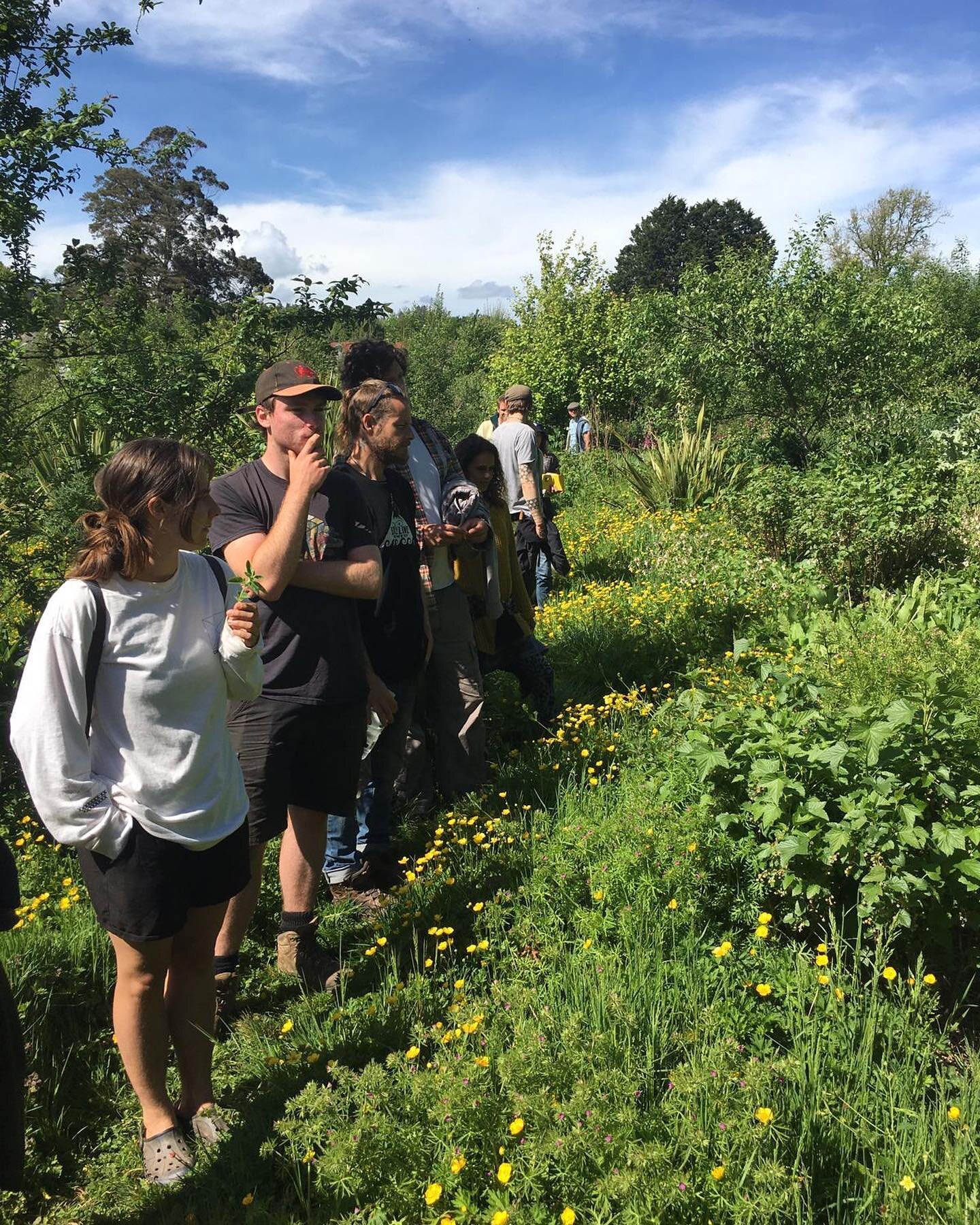
The New Roots garden project worked with a range of clients who had experienced accommodation issues in Colchester. The allotment was created at the Big Garden Project, a community garden in High Woods Country Park. Through weekly sessions with experienced gardeners Aidan Barty and Marina O’Connell from the Apricot Centre, participants developed new skills, growing their own fruit and vegetables and learning about healthy eating.
Outreach sessions were held in the venues of organisations which the clients regularly accessed such as Sanctuary House, Beacon House and the Colchester Night Shelter. Bringing the garden to the clients through a simple planting exercise generated interest and developed trust. It resulted in seven clients attending follow up sessions at the allotment.
Providing transport to the site and lunch during the sessions also motivated people to attend. In total 32 people took part in the project during the 35 sessions between March and September 2011. All the participants had experienced an aspect of homelessness, some were street homeless, others were sofa surfing or staying in sheltered accommodation.
On 21 September 2011, a final harvest of the produce was used for a feast celebration for clients at the allotment. The New Roots allotment will continue as part of the Big Garden Project which is open to everyone in the community. This is managed by CBC parks department.
See the Colchester and Ipswich Museums website for more details..
All you need is Love – a process oriented approach to love, sex and intimacy – 19-21 October 2012 @apricotcentre
We are very pleased to be hosting this seminar about Love with Gary Reiss and Sharon Emery. (View or download the leaflet below)
Coma work – A great interview with Arny and Amy
If you are interested in Process Work with people in Coma or Near Death Experiences this is a great little interview to get a sense of it
http://www.aamindell.net/wp-content/uploads/2012/07/INTERVIEW-ABOUT-COMA.pdf
Care Farm opportunity (funded) for Children at the Apricot Centre
With our care farm approach focussed around children, family and community we are now offering series of pre-funded visits to the Apricot Centre and Organic Farm. We particularly enjoy working with school children who are finding it difficult engaging with the school curriculum (maybe hyperactive, with high or low sensitivities), and with children and parents where there are some attachment difficulties and support is needed around the relationship. Small group of children or children with parents can experience the benefits of time in the farm environment playing, sharing, picking, cooking, eating together. Ideally we would like groups of 6 or more, but if you have particular special needs we can work with less.
Just email us at info@apricotcentre.co.uk and put ‘Care Farm Visit Enquiry’ in the subject line.
Look at and download the leaflet below for much more detail or email us with any questions.
ANCESTRAL CLEARING & ENERGETIC BODY A 2 day workshop with Sage Emery
Visions for a Sustainable Manningtree
The Transition town movement believes we need to have a positive vision for our communities for the future – let’s say 30 years in the future – 2042 – when we have made a transition to a “post peak oil world”.
For most of us, including me, this is a terrifying thought – how can our lives and communities exist without the vast amount of cheap energy we have become used to. What will we eat ? How will we move around ? How will we get our children to school ? How will we heat our schools and homes? What work will we do ? Will there be conflict over resources? We have little in the way of positive cultural stories of how this future might look, there is the terrifying “Max Max” film where we all fight over the last bit of oil, or the ‘Star Trek’ story in which we go off to live on other planets where there are more resources to use. We have positive stories from the past from just 60 years ago from our parents and grandparents of how they got by in on very limited oil resources during the War and how happy they were (apart from the fighting bit!). They grew their own veg, pulled together as a community, darned socks, cycled to work, listened to the radio. But what visions are there for a future in which we have a happy and secure future in a world with less oil?
As a trainer in this area I often ask people to take a moment (well 15 minutes) and imagine that they lived where they live now but 30 years into the future; in a world with limited oil. You might want to do it yourself? They wake up eat breakfast , go to work, take the kids to school, go to a meeting or celebration, eat a meal and then go to bed again just like a normal day but in a world with limited oil resources. It is a surprisingly positive vision that people have, life is slower, simpler, happy, and quieter. There is less stress, and more time to talk to people. Work is local. People walk and cycle and notice the trees and flowers. Eat simple meals. Share more.
When I have asked people I know in Manningtree what they would like in their town in the future, the answers are; a full high street with shops selling food and other essential goods, a thriving market, cafes, a community centre with meeting places ,a youth club, a swimming pool possibly a tidal one on the river, a joined-up walk along the river front, a cinema …. All lovely things to have in a small town like Manningtree today. These are also things that would make Manningtree very resilient to the changes that are to come in the future, and able to thrive in a post peak oil world that may or not be 2042. Even if we do not have to face this challenge any of the things in this list would make it an even more wonderful place to live! I am not imagining for one moment that creating a community centre, tidal swimming pool or filling the high street up again with butchers and fishmongers would be easy to create, and in our current economic situation would it even be possible to create? My point is that it is important to have a vision and a dream and then to find a path to get to that place, and it seems that there is a very rich vision for Manningtree.